Every building starts with an idea. But ideas only become structures when the steel behind them is shaped, welded, and built to match the plan, not forced into it.
That’s where custom steel fabrication occurs. It turns concepts into components built for real-world loads, conditions, and code requirements.
And it’s happening at scale. The American Iron and Steel Institute reported more than 85 million tons of steel shipped across the U.S. in 2023. This massive number shows steel’s integral role in everything from homes and warehouses to industrial facilities.
As projects grow more specialized, builders increasingly turn to custom fabrication to get pieces that install cleanly and perform for decades. In this article, you’ll learn:
- What custom steel fabrication is and how it works
- The most common applications across construction
- Why precision-built components improve performance and durability
- How technology enhances accuracy, speed, and safety
- Why quality craftsmanship matters for long-term reliability
- What to look for in a fabrication partner
- How Puri-T approaches custom steel solutions
What Custom Steel Fabrication Means

Custom steel fabrication is the process of cutting, shaping, welding, and assembling steel components to match the exact specifications of a project. Instead of relying on pre-made sheet metal parts, fabricators build each piece to fit the structure’s design, load requirements, and installation conditions.
This manufacturing process turns raw steel (plate, beams, tubing, or structural shapes) into finished components such as columns, brackets, frames, platforms, railings, or architectural details.
Every dimension, angle, and connection is engineered for its purpose, allowing builders to solve challenges that off-the-shelf materials can’t address.
How the Metal Fabrication Process Works
Custom fabrication typically begins with CAD models or shop drawings that outline precise measurements, load paths, and connection points.
From there, fabricators use tools like saws, shears, CNC machines, and plasma or laser cuts to produce accurate steel components.
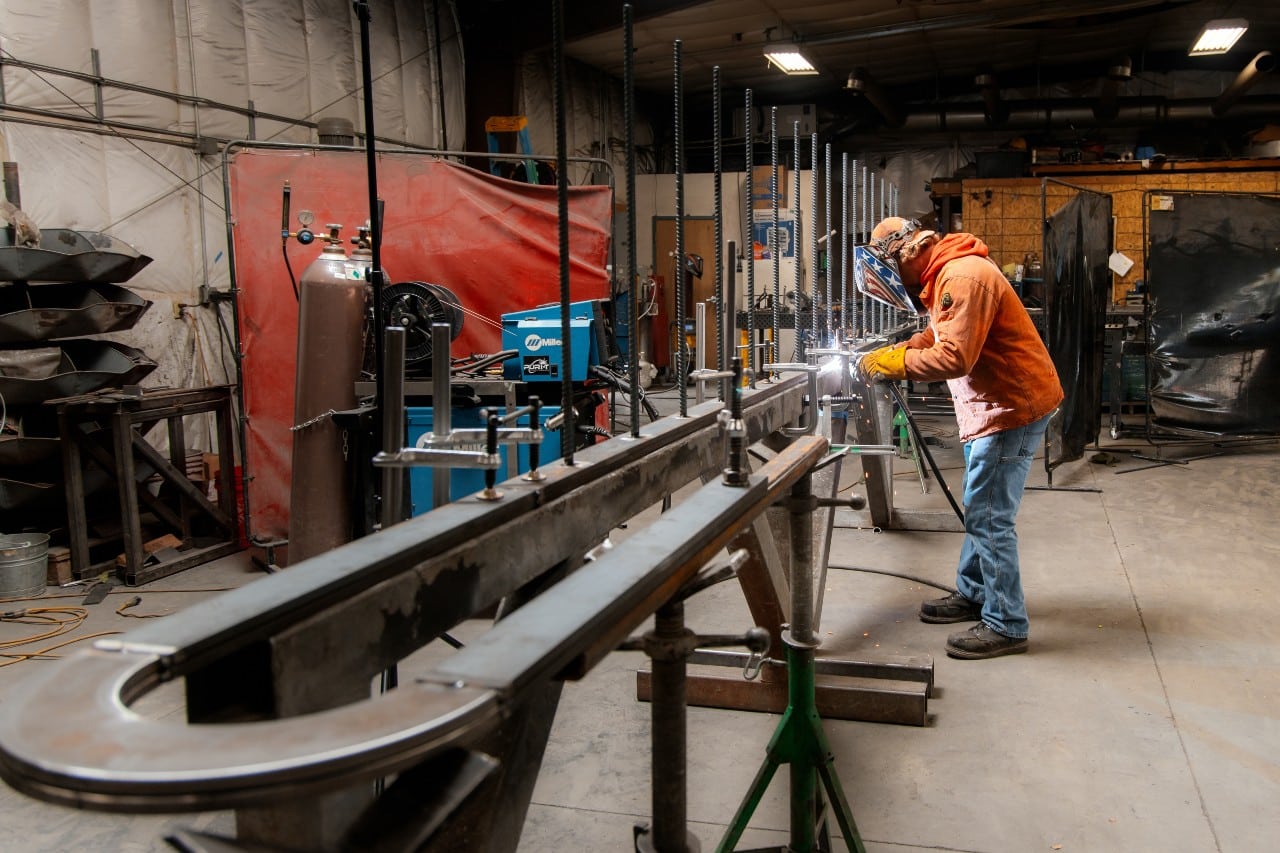
Welders then assemble those pieces using approved welding procedures to maintain strength and meet code requirements. After assembly, finishing steps, such as grinding, painting, powder coating, or galvanizing, add durability and protect steel from weather, abrasion, or corrosion.
The result is a component built for its environment, its structural role, and the demands of the overall project.
Applications in Modern Construction

Custom steel fabrication supports nearly every type of modern building project. Because each component is built to exact measurements, custom steel helps contractors solve structural, architectural, and installation challenges that standard materials can’t address.
Here are some of the most common applications across today’s construction sites.
Structural Beams and Framing
Commercial buildings, warehouses, and residential structures rely on custom-fabricated beams, columns, and trusses to carry heavy loads and create stable frameworks.
Fabrication allows these components to align with engineering calculations, connection points, and unique building geometries.
Metal Stairs and Railings
Custom steel stairs and railings provide both strength and design flexibility. Fabrication ensures each step, riser, and guardrail meets safety codes, fits the building layout, and matches the architectural style of the structure.
Architectural Metalwork
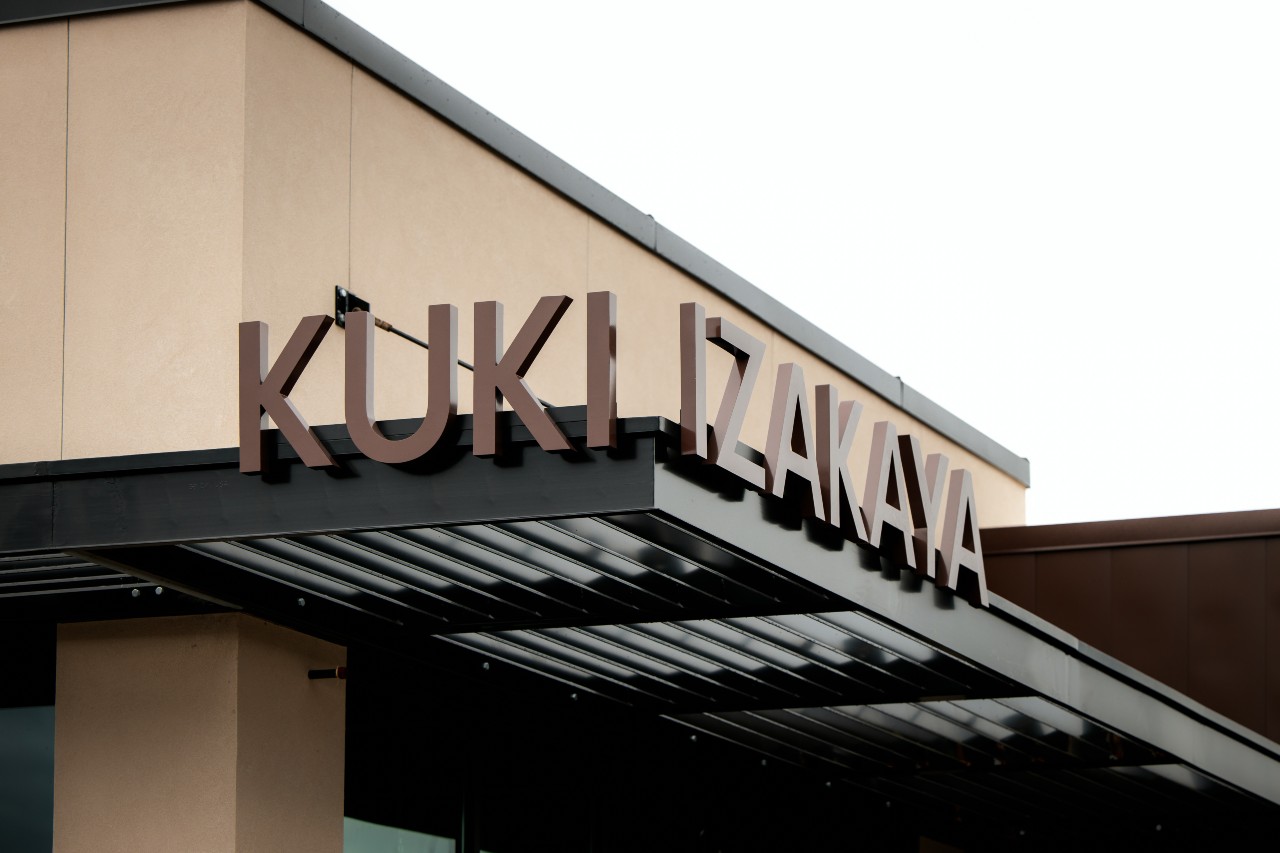
Architectural teams often use steel to create visual features such as decorative panels, canopy elements, accent pieces, and exposed structural details.
Custom fabrication allows these pieces to be shaped, bent, and finished to achieve the exact look and performance required.
Custom Brackets, Platforms, and Industrial Components
Industrial and agricultural operations often depend on specialized steel components: equipment platforms, machinery supports, mounting brackets, catwalks, and handling systems.
These fabricated pieces must match precise load requirements, equipment layouts, and workflow needs.
Metal Canopies and Support Systems
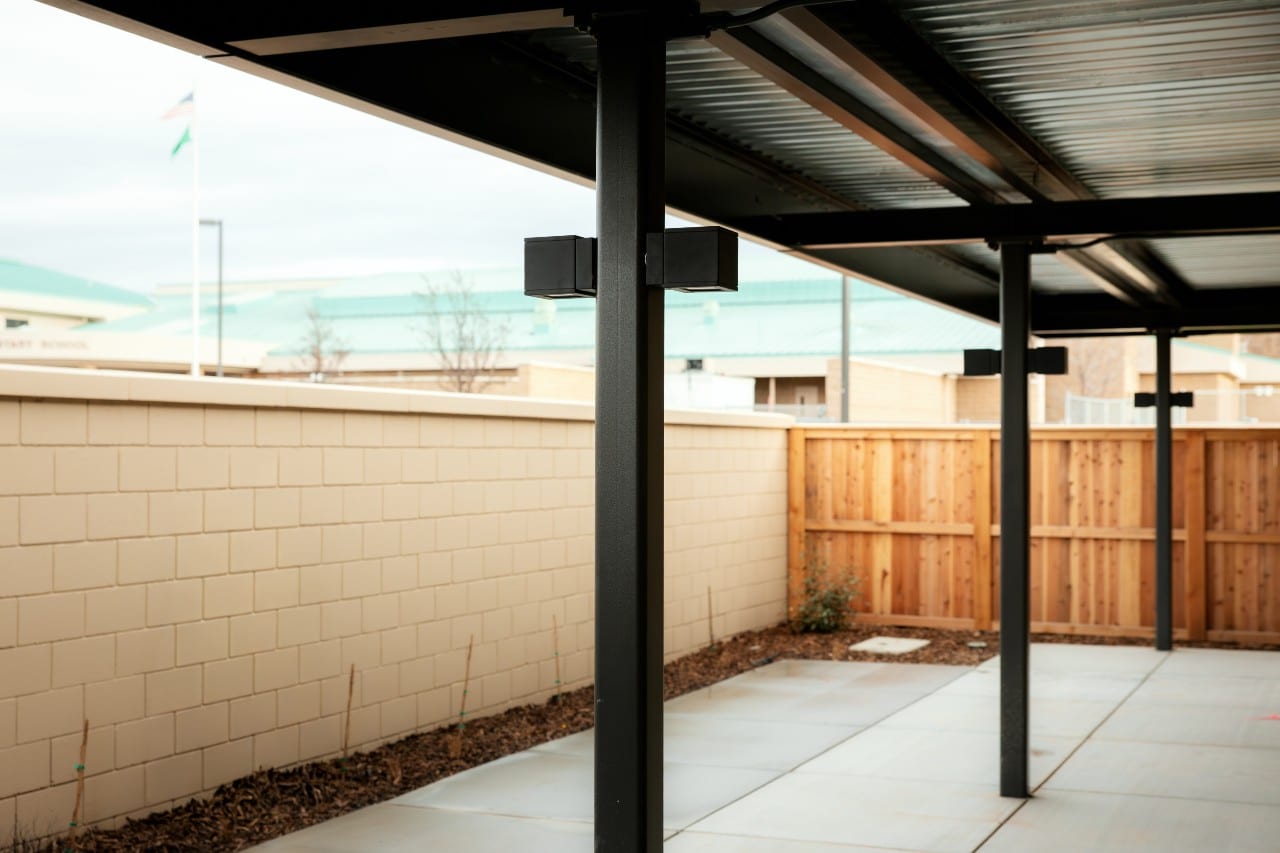
Entry canopies, shade structures, covered walkways, and exterior support systems all benefit from custom fabrication.
The components must withstand wind, weather, and repeated use, making precision and proper material selection essential for long-term performance.
Benefits of Custom Steel Fabrication
Custom steel fabrication offers numerous advantages that go far beyond aesthetics. It helps contractors, architects, and project managers solve problems early, reduce rework, and build structures that perform reliably for decades.
The benefits are practical, measurable, and closely tied to project outcomes.
Precision Fit and Design Flexibility
Every project has unique dimensions, load requirements, and architectural goals. Custom fabrication ensures each component is built to the exact measurements of the site or structure.
This reduces on-site adjustments, supports clean installation, and allows builders to meet demanding design or engineering specifications.
Superior Durability and Load-Bearing Strength
Because components are engineered for specific conditions, custom-fabricated steel often outperforms generic or pre-made materials.
Welded connections, proper material selection, and accurate sizing deliver the strength needed for long spans, heavy loads, and high-traffic environments.
Long-Term Reliability and Low Maintenance
Fabricated components can be coated, galvanized, or finished to protect against corrosion, wear, and weather exposure.
When paired with proper welding and inspection, custom steel offers decades of reliable performance with minimal ongoing maintenance.
Built to Meet Unique Engineering Requirements
From tight clearances to complex geometries, some projects simply require steel that doesn’t exist off the shelf.
Custom fabrication fills those gaps. They provide solutions for seismic retrofits, equipment support systems, temperature-controlled facilities, and architectural features that need exact alignment.
How Technology Has Advanced Steel Fabrication and Other Materials

Modern construction demands accuracy, speed, and consistency. Today’s fabrication technology is built to deliver all three.
New tools and digital workflows have transformed how fabricators design, cut, weld, and assemble steel components, which reduces errors and improves project outcomes across the board.
CNC Cutting and Automated Equipment
Computer Numerical Control (CNC) machines allow fabricators to cut steel with exceptional precision.
Automated plasma, laser, and oxy-fuel systems follow digital shop drawings down to the millimeter, producing clean edges and consistent manufactured parts that fit together exactly as engineered.
CAD Modeling and Digital Shop Drawings
Computer-aided design (CAD) and 3D modeling streamline communication between architects, engineers, and fabrication teams.
Detailed models show every connection, weld, and load-bearing point, making it easier to catch conflicts early and avoid costly field modifications.
Improved Welding Processes
Advances in welding equipment and procedures such as pulse MIG, flux-cored welding, and automated welding systems produce stronger, more consistent welds.
These improvements reduce distortion, improve penetration, and help meet strict code requirements across commercial, residential, and industrial projects.
Upgraded Safety and Quality Control
Modern fabrication shops use digital measuring tools, laser alignment systems, and documented inspection processes to maintain accuracy throughout production.
These technologies support safer workflows and higher-quality results while minimizing downtime and rework.
Why Quality Craftsmanship Matters
The goal with custom steel fabrication is to get every detail right so the finished structure performs safely and reliably.
High-quality craftsmanship affects everything from load distribution to long-term durability, making it one of the most important factors on any construction project.
Structural Integrity Depends on Proper Fabrication
Even the strongest steel can fail if it’s cut, welded, or assembled incorrectly. Quality craftsmanship means components meet engineering specifications, local building codes, and safety standards.
Correct welds, accurate measurements, and proper fitment help prevent structural issues, minimize liability risks, and support long-term stability.
Compliance and Documentation Protect the Project
Approved welding procedures, certified welders, and documented inspections are required for components such as beams, frames, railings, brackets, and industrial supports.
When fabrication is done correctly, these elements pass inspections smoothly and integrate seamlessly with the rest of the build.
Avoiding Rework Saves Time and Cost
Poor fabrication leads to installation delays, onsite modifications, and (in worst cases) complete rework.
High-quality craftsmanship minimizes these risks, allowing construction teams to maintain schedules and avoid unexpected expenses. Precision in the shop translates directly to efficiency in the field.
What to Look for in a Steel Fabrication Partner
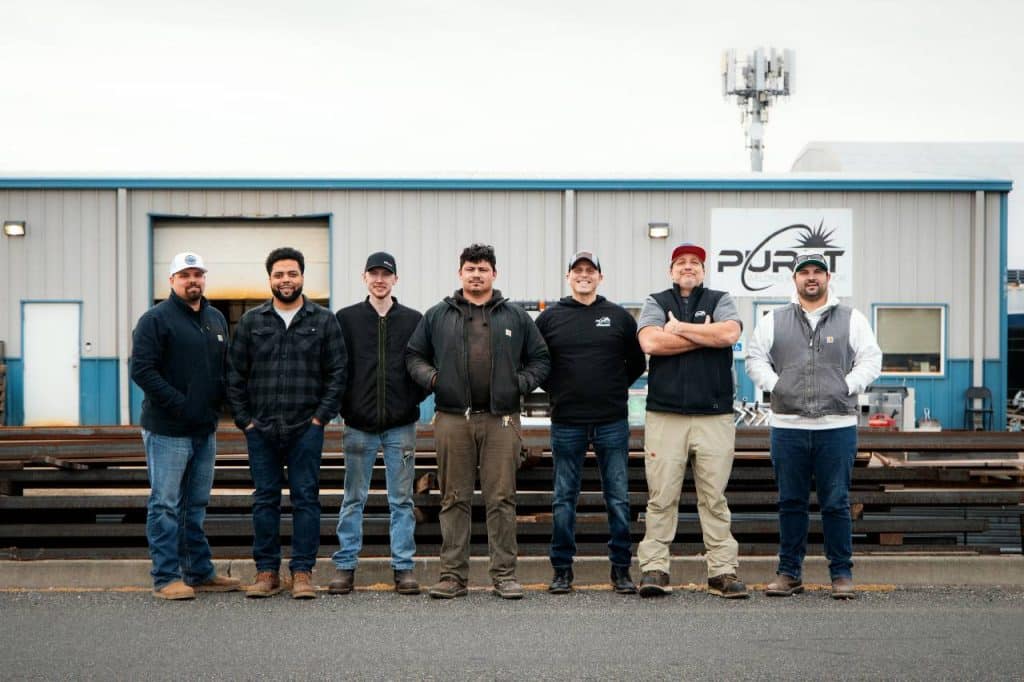
Choosing the right fabrication shop has a direct impact on project timelines, safety, and overall quality. The best partners combine technical skill with reliable communication and proven industry experience.
Experience With Similar Project Types
A reputable fabricator should have a track record of delivering work in commercial, industrial, agricultural, and residential settings.
Familiarity with local codes, engineering requirements, and installation conditions ensures the steel is built to perform as expected.
Certifications and Skilled Personnel
Certified welders, documented welding procedures, and a commitment to ongoing training reflect a shop’s dedication to quality.
These credentials make sure every component meets strength, safety, and compliance standards.
Modern Equipment and Capabilities
Look for a shop equipped with CNC cutters, updated welding machines, digital measuring tools, and modern fabrication equipment.
Advanced capabilities improve accuracy, reduce lead times, and support more complex design requirements.
Clear Communication and Documentation
A strong fabrication partner provides detailed shop drawings, transparent timelines, and consistent updates from start to finish.
Clear communication minimizes confusion between teams and helps projects move forward without avoidable delays.
Turning Designs Into Durable, Built-to-Last Solutions
Custom steel fabrication gives construction teams what generic materials can’t: components engineered for real-world performance. From load-bearing frames to architectural details, the value comes from getting every cut, weld, and connection right.
That level of precision only happens when a fabricator brings experience, attention to detail, and the right tools together.
At Puri-T Welding & Fabrication, we combine hands-on expertise with modern fabrication technology to produce steel components that are accurate, code-ready, and built to last. Contractors and project managers rely on that consistency to keep timelines on track and builds moving forward.
When your project needs custom steel done right, our team provides dependable craftsmanship and solutions custom to your design, load requirements, and installation conditions. Contact us now!